
Home Care vs. Assisted Living in Michigan
Michigan's assisted living facilities — licensed as "Home for the Aged" (HFA) for 21+ beds — offer community living with built-in services. But the quoted price is rarely the final price. Here's the honest comparison families need before committing to a $5,000+/month decision.
Data sources: Genworth 2024, Michigan LARA, ~70 HFA facility reviews, CMS
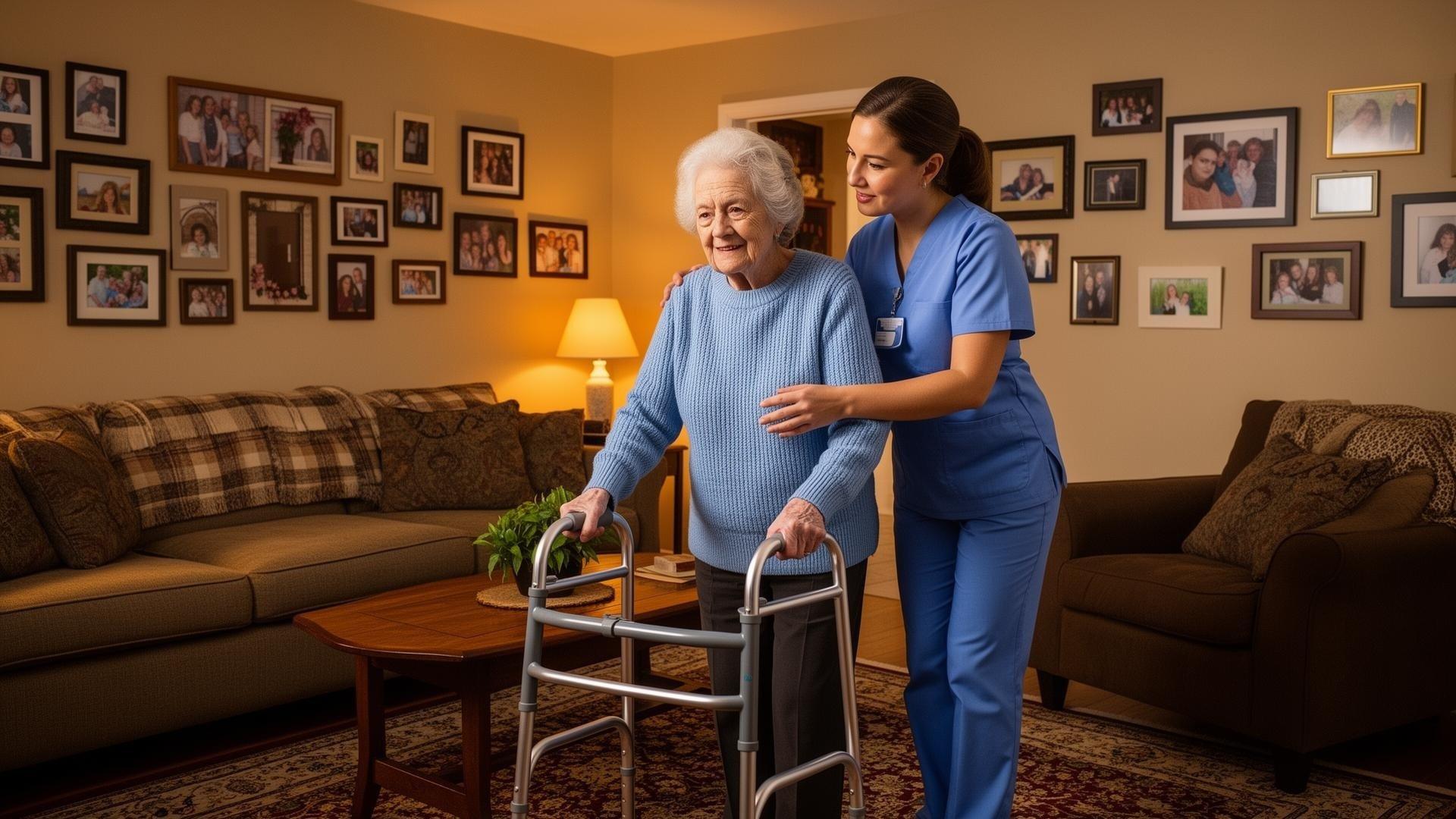
Home Care (20 hrs/wk)
$2,300–$3,200/mo
Staffing Ratios
Day: Just your caregiver — all eyes on you
Night: Same caregiver, same attention
Your own bed, your own rules
Assisted Living (Base)
$4,000–$8,500/mo
Staffing Ratios
Day: 1 caregiver per 8–15 residents
Night: 1 per 15–25 (skeleton crew)
40–150+ residents typical
AL + Care Surcharges
$5,500–$11,500/mo
Staffing Ratios
Day: Same ratios — surcharge buys services, not staff
Night: Same overnight ratios apply
Same facility, higher bill
Live-In Home Care
$12,000–$15,000/mo
Staffing Ratios
Day: Dedicated to you — nobody else
Night: Right down the hall, on-call
Your own home, 24/7
Still researching? Start here.
Most families weighing assisted living end up reading 3–5 things before deciding. We built a short library covering the most-Googled questions — written by us, not by a referral broker.
- • The full Assisted Living decision hub — eight Michigan-specific guides organized by where you are in the process.
- • Signs it's time for assisted living — five of the seven common "signs" are actually solvable with home care.
- • Hidden costs of assisted living — community fees, level-of-care surcharges, memory-care transitions, and annual rent jumps.
- • Alternatives to assisted living — the four lower-cost options most Southeast Michigan families never get told about.
Side-by-Side Comparison
| Category | Home Care | Assisted Living (HFA) |
|---|---|---|
| Setting | Your own home — every corner familiar | Apartment in a licensed HFA facility (21+ residents) |
| Caregiver ratio | 1:1 — undivided, always | 1:8–15 day · 1:15–25 overnight |
| Monthly cost (part-time) | $2,300–$3,200/mo (20 hrs/wk) | $4,000–$8,500/mo (all-inclusive base) |
| Monthly cost (24/7) | $12,000–$15,000/mo (live-in) | $4,000–$8,500/mo (included) |
| Move-in costs | $0 — just schedule and start | $2,000–$7,500 community fee + deposits |
| Hidden fee risk | None — hourly rate is the rate | Care-level surcharges: +$500–$3,000/mo |
| Personalized schedule | Fully customizable | Facility schedule for meals, activities |
| Meals | Your favorites, your kitchen | Restaurant-style dining (top-tier) to institutional |
| Social activities | Caregiver + community outings | Robust programming: classes, events, outings |
| Housekeeping | Included in caregiver duties | Included |
| Pets allowed | Yes — your home, your pets | Some allow small pets (restrictions common) |
| Call light response | Instant — caregiver is right there | 15–30+ minutes (commonly reported) |
| Medicaid coverage | MI Choice Waiver | Limited — most are private-pay dominant |
The Hidden Cost Problem
Community Fee
$2,000–$7,500Non-refundable. Covers move-in processing and room prep.
Last Month Deposit
1 month's rentStandard practice, like an apartment.
Prepaid Rent
$15,000–$60,000+Some facilities require 3–7 months upfront. Not standard.
Care-Level Surcharge
+$500–$3,000/moAdded after assessment. Often increases over time.
"The quoted price was $5,200/month but within 3 months we were paying $7,800." — SE Michigan family review

Your Kitchen, Your Favorites
In home care, meals aren't dictated by a cafeteria schedule. Your caregiver prepares your loved one's favorite dishes, on their schedule, in their own kitchen. No shared dining rooms. No institutional trays. Just comfort food made with care.
What Families Actually Say
Based on ~70 HFA facility reviews across Google, Caring.com, and Facebook in Southeast Michigan.
What Families Love About AL
Social community & activities
"Mom has made more friends in 6 months here than in 10 years at home." Large AL communities offer fitness classes, outings, and entertainment.
Restaurant-style dining
"The food is excellent — not institutional at all." Higher-end communities (Pomeroy, Sunrise, Waltonwood) receive praise for menu variety.
Maintenance-free lifestyle
No home repairs, yard work, or bills. Families appreciate eliminating home upkeep responsibilities.
Common AL Concerns
Hidden costs & fee escalation
The #1 complaint. Monthly costs increase $500–$2,000+ after move-in due to care-level reassessments and "à la carte" fees families assumed were included.
Staffing shortages & response times
"My mother waited 45 minutes for help to the bathroom." Call light response times of 15–30+ minutes are commonly reported, especially on evenings and weekends.
Corporate ownership disconnect
Large corporate chains (Atria: 1.8/5 on ConsumerAffairs; Brookdale; American House) receive significantly worse reviews than locally-owned communities.
The Facility Reality
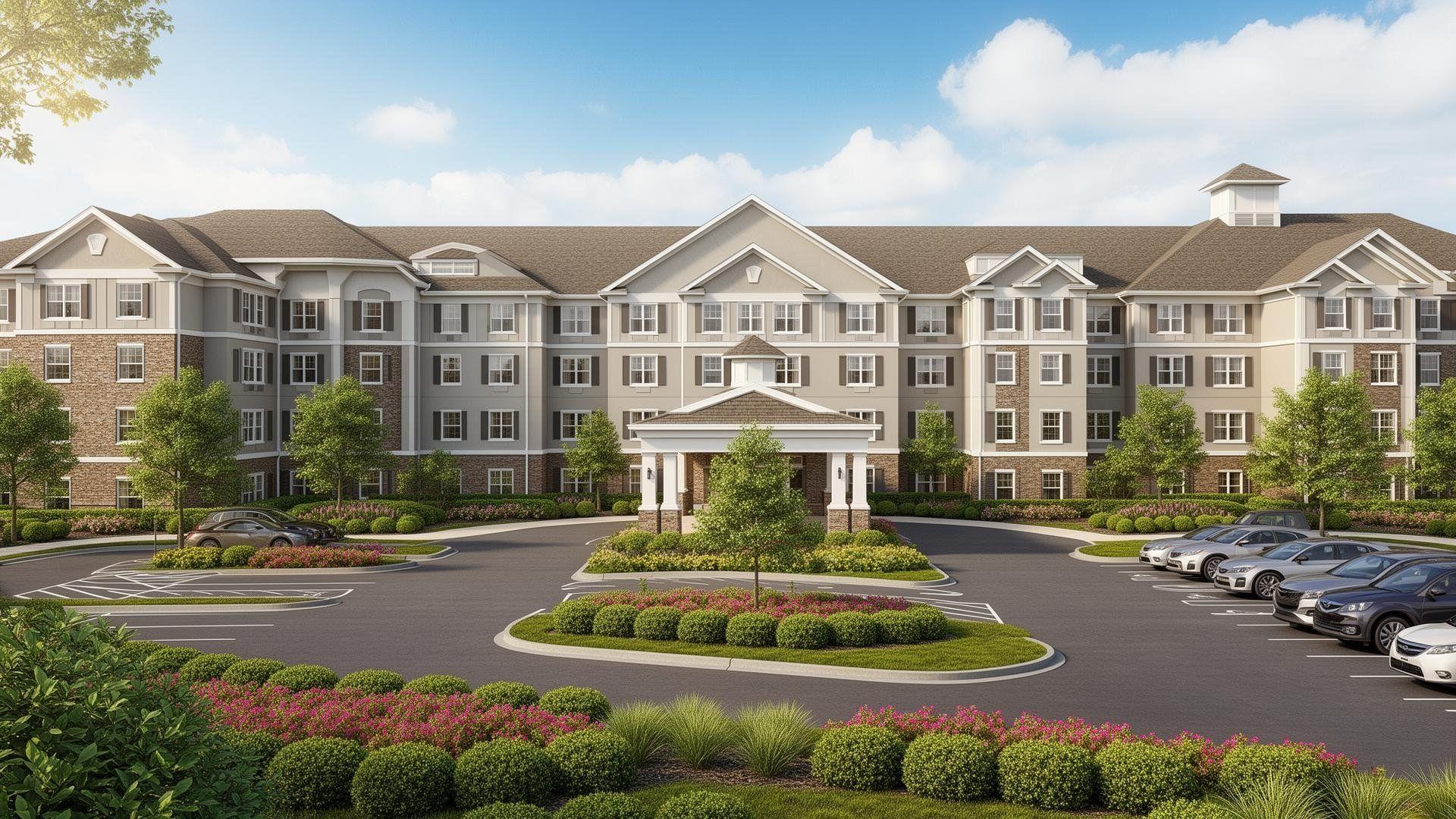
Michigan's HFA-licensed assisted living facilities range from 40 to 200+ beds. While the best offer resort-like amenities, the staffing ratios tell a different story: 1 caregiver for every 8–15 residents during the day, and as few as 1:25 overnight. In home care, your caregiver never has 14 other people waiting.
When Each Option Is Better
Choose Home Care When…
- Your loved one wants to stay in their own home
- They need part-time help (budget under $3,200/mo)
- 1:1 attention and fast response times matter
- You want to avoid hidden fees and surprise costs
- They have pets, a garden, or a home they love
- Medicaid/MI Choice Waiver is the funding source
Choose Assisted Living When…
- They crave social interaction and community
- 24/7 supervision is needed and budget allows $5,000+/mo
- The home is unsafe and modifications aren't feasible
- A maintenance-free lifestyle is a priority
- They enjoy structured activities and dining programs
- Family can't supplement care during off-hours
Questions to Ask Any Assisted Living Community Before You Tour
Most families tour 2–3 facilities before deciding. The honest comparison happens when you ask the same hard questions at every stop. Take this list with you — and for a printable companion, see our assisted living tour checklist.
- 1. What is your written policy for moving a resident from assisted living to memory care?
Ask for the document. Ask who makes the call. Ask what specific incidents trigger a reassessment. Memory care typically costs $2,500–$6,000/month more, so this is the single highest-stakes question of the tour. See the full breakdown in our hidden costs of assisted living guide.
- 2. What is the total monthly cost — base rent plus every care-level surcharge — for someone with my parent's current needs?
The quoted rate is rarely the actual bill. Ask for a written all-in number based on a real care assessment, not a brochure rate.
- 3. What is the community fee, and is any portion refundable if we move out within 90 days?
Community fees run $2,000–$7,500 and are usually nonrefundable. A short-term refund clause is a strong trust signal.
- 4. How often have base rents and care-level surcharges increased over the past three years?
Industry norm is 3–8% per year. Multiple increases per year, or surprise mid-year reassessments, are a yellow flag.
- 5. What is the caregiver-to-resident ratio on day shift, evening shift, and overnight?
Get all three numbers in writing. Many Michigan HFAs run 1 caregiver per 15+ residents overnight — that's the shift falls happen on.
- 6. Who handles medications, and what is your error-reporting policy?
Medication aides are not nurses. Ask how errors are documented, who is notified, and whether you can request the incident log.
- 7. May I see your most recent LARA inspection report and complaint history?
You can also pull this yourself from the Michigan LARA database. A facility that hesitates is telling you something.
Want a second opinion before you sign? Our care team will walk through any AL proposal with you and tell you honestly whether in-home care would meet the same needs for less. No sales pressure — sometimes assisted living really is the right fit. Ask for an honest comparison →
Not Sure Which Is Right?
Take our care quiz for a personalized recommendation, or call us for a free consultation. We'll give you an honest answer — even if home care isn't the best fit.
FAQ
Frequently Asked Questions
Common questions about home care vs. assisted living in Michigan
In Michigan, "assisted living" isn't a separate license. Facilities with 21+ residents serving adults 55+ are licensed as a Home for the Aged (HFA) by LARA. Smaller homes (under 21 beds) are licensed as Adult Foster Care. Both provide what families think of as "assisted living." There are approximately 150–200 HFA-licensed facilities in Southeast Michigan.
For part-time needs, yes — significantly. Home care at 20 hrs/week costs $2,300–$3,200/mo compared to AL's $4,000–$8,500/mo base rate. But watch out for hidden costs: community fees ($2,000–$7,500), care-level surcharges (+$500–$3,000/mo), and annual increases of 3–8%. One review said: "The quoted price was $5,200/month but within 3 months we were paying $7,800." Use our cost calculator for a personalized comparison.
The #1 complaint in our review analysis: fee escalation after move-in. Community fees ($2,000–$7,500), care-level reassessments that add $500–$3,000/mo, medication management surcharges, and "à la carte" fees for services families assumed were included. Some facilities also require 3–7 months of prepaid rent ($15,000–$60,000+). Always ask for the total cost breakdown before signing. We can help you compare.
Medicaid coverage for HFA-licensed assisted living is limited. The MI Choice Waiver may cover some costs, but most facilities are private-pay dominant. VA Aid & Attendance can also help. Home care through MI Choice Waiver is often easier to access for Medicaid-eligible individuals. Learn about all funding options.
Every Michigan AL community sets its own transition criteria, and most don't publish them. Common triggers we hear from families: wandering, two or more falls in 90 days, sundowning, refusing care from same-gender staff, or anything the staff label as "behavioral." It's worth knowing that memory care typically runs $2,500–$6,000/month more than the same facility's standard AL rate, which is one reason transition recommendations can come faster than families expect. Before you sign, ask for the written transition policy, ask who makes the final call, and ask that any proposed move be backed by documented incidents — not general impressions. Compare against a dedicated dementia care plan at home where the cost structure doesn't change as needs progress.
Search the Michigan LARA database for HFA-licensed facilities. Check inspection reports, complaint investigations, and violation history. Also check online reviews — but be aware that large corporate chains like Atria (1.8/5 on ConsumerAffairs) and Brookdale tend to score lower than locally-owned communities.
Are You in One of These Situations?
We have specific guidance for families going through these common scenarios.