
Noticed a Loved One Struggling to Stay on Top of Things at Home?
Last Reviewed by Austin Adair · May 2026
Your pharmacist keeps them healthy. We keep them safe at home. If you've noticed a parent or spouse forgetting medications, losing weight, or struggling with daily tasks — you're not alone, and there's help.
5 min read
Who This Page Is For
- • Adult children who pick up prescriptions for a parent and worry about what happens between visits
- • Pharmacists and pharmacy staff who notice regular customers struggling — forgetting pickups, seeming confused, or looking thinner
- • Spouses who are managing their own health while trying to keep up with a partner's medications and meals
- • Anyone wondering if a loved one might need a little help to stay safe and healthy at home
What to Do If You've Noticed the Signs
If missed pickups, confusion about dosages, or unopened pill bottles have started stacking up, act before the next refill cycle. These four steps help Southeast Michigan families get a loved one back on track with their medications — safely and without a hospital trip.
Notice the signs
Forgetting medications, missing refills, losing weight, or seeming confused — these are signals that your loved one may need a little help at home. Trust what you're seeing.
Talk to their pharmacist
Pharmacists often notice changes in their regular customers before family does. Ask if they've observed anything concerning — missed pickups, confusion about dosages, or difficulty getting around.
Assess the home situation
Visit their home with fresh eyes. Is food expiring in the fridge? Are pill bottles disorganized? Is the house less tidy than usual? These are clues that daily tasks are becoming difficult.
Explore in-home support
A caregiver can handle medication reminders, meal preparation, transportation, and companionship — so your loved one can stay safe and independent at home.

Polypharmacy in Michigan — When Managing Medications Gets Overwhelming
The average Medicare beneficiary in Michigan takes 4.5 prescription medications. For seniors over 75 in the communities we serve — many managing diabetes, heart disease, blood pressure, and arthritis simultaneously — that number often climbs to seven or more, each with its own timing, food interactions, and side effects.
When you add in over-the-counter supplements and PRN (as-needed) medications, the daily regimen can involve 10 or more doses at different times of day.
Local pharmacists across Oakland County — at CVS, Walgreens, Rite Aid, and the independent pharmacies that still serve communities in Birmingham, Berkley, and Clawson — are often the first to notice when a regular customer is struggling. Missed prescription pickups, confusion about dosages, visible weight loss, or difficulty navigating the store. When pharmacists refer families to us (and they do, regularly), it's because they recognize that medication management is only part of the picture. If a senior can't prepare meals, can't safely get to the pharmacy, or is too isolated to notice their own decline, the prescriptions alone won't keep them healthy.
What makes home care uniquely effective for medication-related concerns is the daily, in-person presence. A caregiver doesn't just remind your loved one to take their pills — they observe patterns. They notice if Mom seems dizzy after her new blood pressure medication. They track whether Dad is actually eating enough to take his diabetes medication with food. They catch the small changes that lead to ER visits if left unaddressed. In our experience serving families across Macomb and Oakland counties, this proactive approach prevents more hospitalizations than any pill organizer ever could.
How Home Care Helps Between Pharmacy Visits
Your pharmacist manages the prescriptions themselves. Our caregivers make sure they're actually taken at the right times — with food when needed, with hydration, and with someone watching for side effects — and that everything else at home stays handled between refills.
Medication Reminders
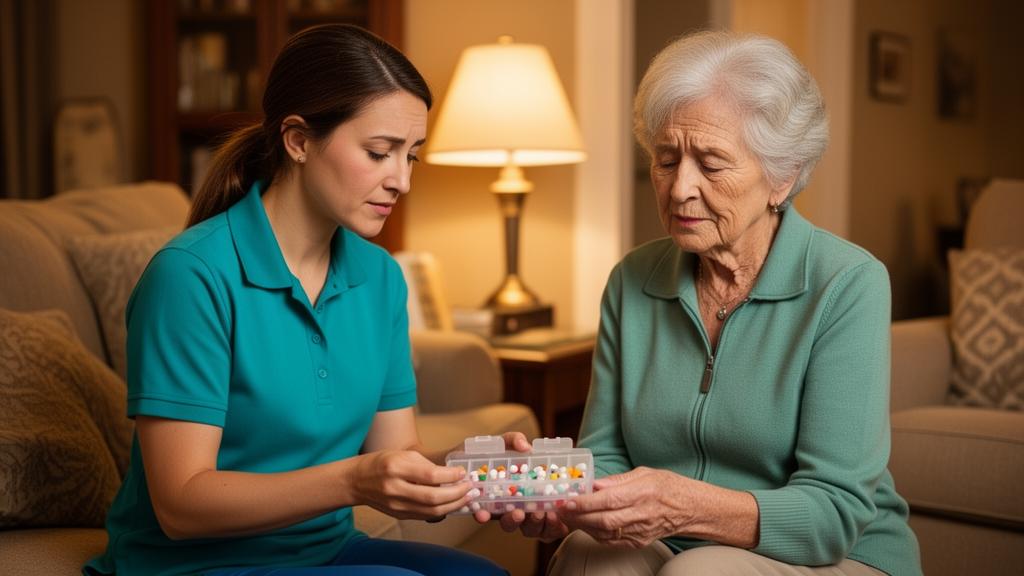
Gentle daily reminders ensure prescriptions are taken on time, every time. Your caregiver can organize pill boxes, track refills, and communicate with your pharmacist.
Pharmacy Transportation
Reliable rides to the pharmacy, doctor's appointments, and errands. Your caregiver helps them in and out of the car and makes sure they get home safely.
Meal Preparation
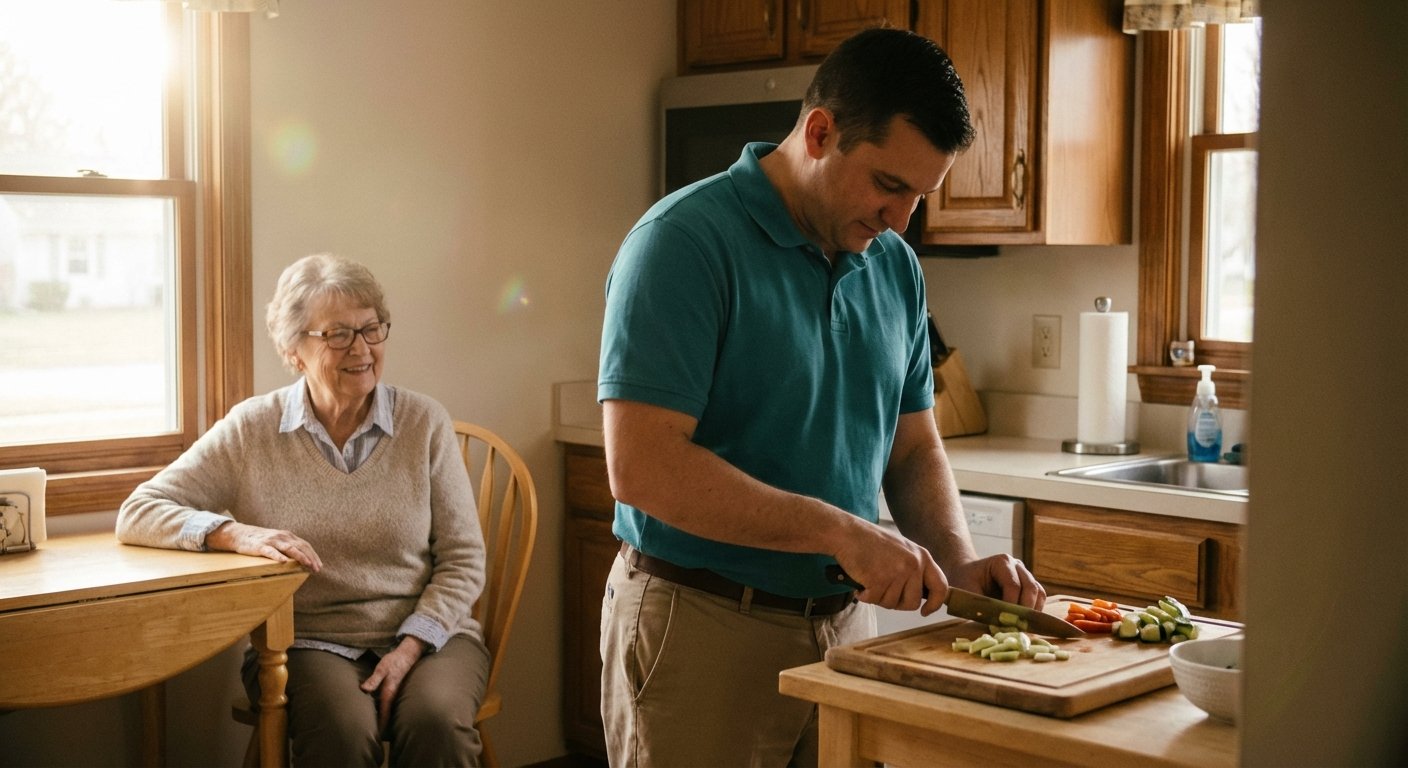
Nutritious, home-cooked meals prepared daily. Proper nutrition supports medication effectiveness and overall health — especially important for seniors managing chronic conditions.
Daily Living Support
Light housekeeping, laundry, bathing assistance, and companionship. We handle the daily tasks so your loved one can focus on what matters — living well at home.
What a Typical Day Looks Like
Medication safety isn't a single moment — it's a rhythm that runs from morning coffee through evening pills. Here's how a caregiver quietly supports your loved one throughout the day, aligning doses with meals, activity, and rest.
Medications, breakfast & getting ready
Your caregiver arrives, helps with morning medications, prepares a nutritious breakfast, and assists with bathing or dressing if needed. The day starts safely and on schedule.
Errands, pharmacy trips & lunch
If prescriptions need picking up or groceries are low, your caregiver handles it — either driving your loved one or going on their behalf. A healthy lunch is prepared.
Companionship & light housekeeping
Time for conversation, a short walk, or a favorite activity. Your caregiver also handles light housekeeping — keeping the home safe, clean, and comfortable.
Dinner, evening meds & settling in
A home-cooked dinner, evening medications taken on time, and help getting ready for bed. Your caregiver ensures everything is set before they leave.
FAQ
Common Questions About In-Home Care
What families ask most when exploring home care for a loved one
Exploring All Your Options?
Wondering if home care is the right choice? See how in-home support compares to facility-based options for your loved one.
Your Pharmacist Keeps Them Healthy. Let Us Keep Them Safe at Home.
Don't wait until something happens. A little help now can prevent a crisis later. Call us to arrange safe, compassionate care for your loved one.