
Hospital Aftercare & Home Care After Discharge in Michigan
Last Reviewed by Austin Adair · May 2026
Hospital aftercare — the days and weeks after your loved one comes home — is the most fragile stretch of any recovery and the heart of post-acute care. The right home care setup is the difference between a smooth transition and a readmission.
Whether the hospital discharge follows surgery at Beaumont, a cardiac stay at Henry Ford, or an Ascension or Trinity admission, pairing it with transitional care at home is how Southeast Michigan families get it right.
5 min read
Hospital Aftercare in Southeast Michigan
Hospital aftercare is the non-medical, in-home support that begins the moment your loved one walks back through their front door. Most 30-day readmissions in Southeast Michigan stem not from a new medical event but from breakdowns at home — a missed medication dose, a nighttime fall, a missed follow-up appointment, or an early sign of infection no one noticed.
Our caregivers fill that gap with hands-on personal care: safe transfers and mobility, medication reminders, meal preparation for any cardiac, diabetic, or post-surgical diet the hospital sent home, transportation to follow-up visits at Beaumont, Henry Ford, Ascension, Trinity, and Corewell Health locations, and daily monitoring with a written log that home-health nurses and physical therapists can read.
Many families pair our hospital aftercare with our free discharge checklist for families and the 34-item interactive readiness checklist so nothing falls through the cracks during the first week home.
Before You Leave the Hospital
Before discharge, ask the case manager for a written medication list with times, confirm follow-up appointments and transportation, verify home health orders and equipment delivery, and identify who will be present during the first 72 hours home. The steps below cover each of those in the order the hospital moves through them.
Talk to the discharge planner
Every hospital has a discharge planner or social worker. Ask about your loved one's care needs, medication changes, follow-up appointments, and any restrictions.
Review discharge instructions carefully
Get written copies of all instructions, medication lists, warning signs to watch for, and follow-up appointment dates. Don't leave until you understand everything.
Prepare the home
Make sure the home is safe and accessible: clear walkways, set up a recovery area on the main floor if possible, stock easy-to-prepare meals, and organize medications.
Arrange professional support
If your loved one needs help with daily activities, mobility, or medication management, arrange home care before discharge day — not after.
The Gap Between Hospital and Home
Michigan hospitals discharge roughly 1.2 million patients annually. And studies from the University of Michigan Health System show that nearly 1 in 5 Medicare patients are readmitted within 30 days. The most common reason isn't a medical complication — it's that discharge instructions weren't followed at home. Medications get mixed up. Follow-up appointments get missed. A patient who seemed fine in the hospital struggles with basic tasks once they're back in their own kitchen.
We've seen this pattern play out in Southeast Michigan for over 35 years. A family brings Mom home from Beaumont or Henry Ford, everyone helps for the first three days, and then life resumes — work, kids, obligations. By day five, Mom is alone, confused about which pill to take when, and afraid to walk to the bathroom without help. That's the gap professional home care fills — not replacing family, but covering the hours when family can't be there.
Hospital-specific hand-off plans
Coming home from a specific Southeast Michigan hospital?
We've written one-page family hand-off plans for the four hospitals our caregivers see most. Each covers wayfinding, medication routing, and the first-72-hour plan in the order you actually need it.
Bridging the Gap Between Hospital and Home
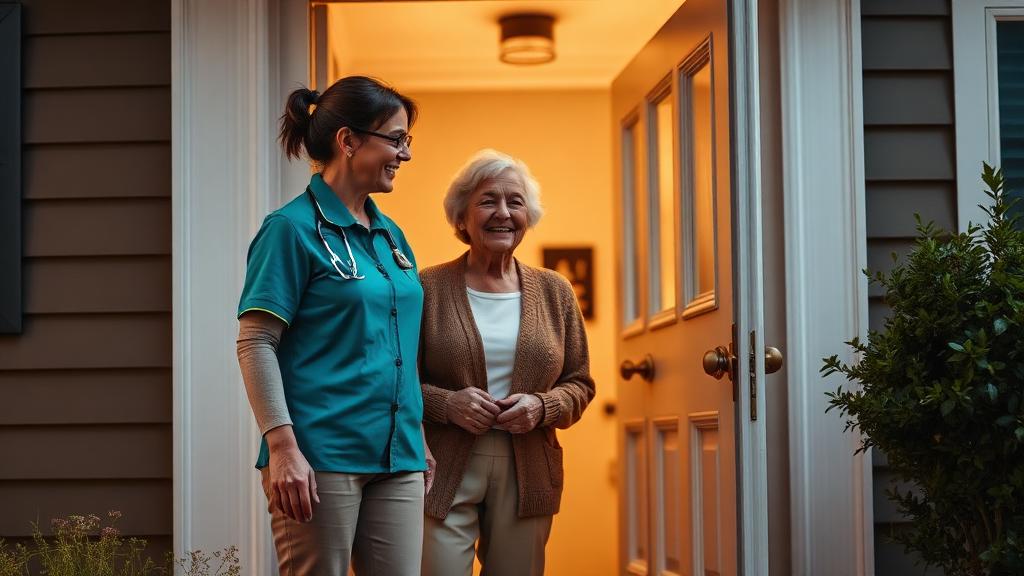
The first few weeks at home are when your loved one is most vulnerable to a fall, a medication error, or a missed warning sign. A caregiver bridges that gap with medication reminders, safe transfers, meal prep matching the discharge diet, transportation to follow-ups, and daily written observations that home health nurses and physicians can act on quickly.
Medication Management
Caregivers ensure medications are taken correctly and on schedule — the #1 factor in preventing hospital readmission.
Recovery Monitoring
Trained to watch for warning signs like swelling, fever, confusion, or pain changes that may need medical attention.
Home Safety
Light housekeeping, meal prep, and organizing the recovery space so your loved one can focus on healing.
Transportation & Support
Getting to follow-up appointments, physical therapy sessions, and pharmacy visits — safely and on time.

What to Expect — From Discharge to Recovery
Post-discharge recovery generally moves through four phases: the first 72 hours focused on medication accuracy and fall prevention, the first two weeks building routine and coordinating home health visits, weeks three and four addressing follow-up appointments and stamina, and month two onward focused on regained independence. Here's how each phase typically unfolds with professional support.
You call us
We discuss your loved one's needs, review discharge instructions, and match a caregiver.
Caregiver is ready
Your caregiver meets your loved one at home, helps them settle in, and begins following the care plan.
Stabilizing
Medication routines are established, follow-up appointments are kept, and recovery is monitored daily.
Adjusting care
As recovery progresses, we adjust hours and support level. Many families reduce care as independence returns.
FAQ
Common Questions About Post-Hospital Care
What families ask most about care after a hospital stay
After-Hospital Care Near You
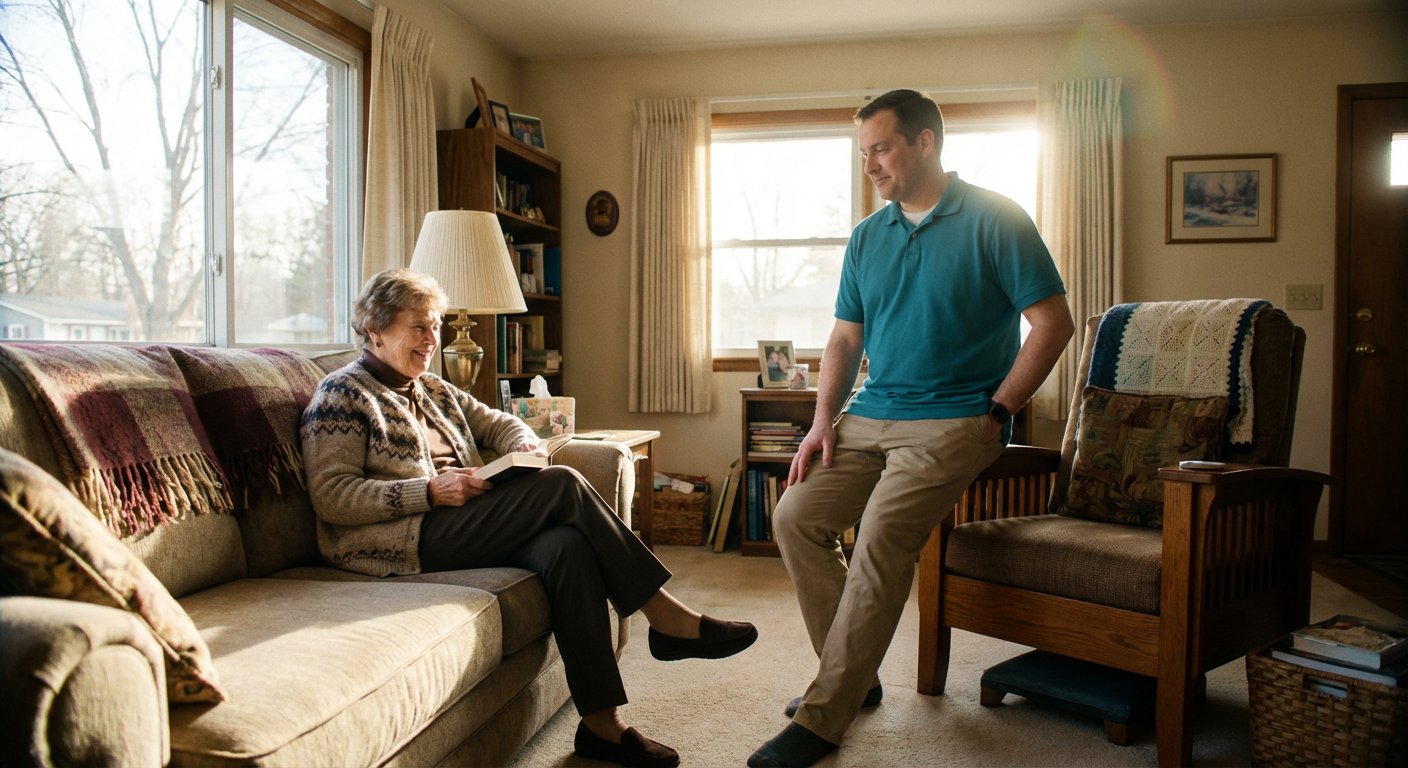
Find after-hospital care services in specific communities across Southeast Michigan.
Exploring All Your Options?
Not sure if your loved one needs a skilled nursing facility or can recover at home? See costs and care levels side by side.
Talk to Someone Today
Don't wait until after discharge to figure out care. Call us now and we'll help you prepare for a smooth, safe homecoming.