
Every Senior Care Option in Michigan — Explained
Last Reviewed by Austin Adair · April 2026
Michigan families have 14 distinct types of senior care to choose from — from non-medical home care through skilled nursing — each with different costs, staffing levels, and suitability. This guide covers every option honestly, including the ones we don't offer, so you can make the best decision for your family.
15 min read
Quick Navigation
Not sure where to start? Take our care quiz for a personalized recommendation, or jump to a section below.
Home-Based Care Options
Care delivered in your loved one's own home. Home-based care preserves independence, familiar surroundings, and routines — and is often more affordable than facility care for equivalent levels of support.
Companion Home Care
We offer thisNon-medical companionship, light housekeeping, meal prep, errands, and transportation. Focused on social engagement and maintaining independence.
Personal / Specialized Home Care
We offer thisHands-on assistance with bathing, dressing, toileting, transfers, medication reminders, and condition-specific care for dementia, Parkinson's, or post-surgical recovery.
Live-In Home Care
We offer thisA caregiver lives in the home providing around-the-clock presence. Caregiver needs 5 hrs uninterrupted sleep & 8 hrs total per day — suitable for 1–2 nighttime assists.
Home Health Care (Medicare Skilled)
Skilled nursing, physical therapy, occupational therapy, and speech therapy ordered by a physician and covered by Medicare. Typically short-term and part-time.
Hospice Care (Home-Based)
Comfort-focused end-of-life care provided at home by a hospice team. Includes pain management, emotional support, and family counseling. Covered by Medicare.
PACE Program
Program of All-Inclusive Care for the Elderly — combines medical, social, and long-term care for dual-eligible (Medicare + Medicaid) seniors, helping them stay at home.

Facility-Based Care Options
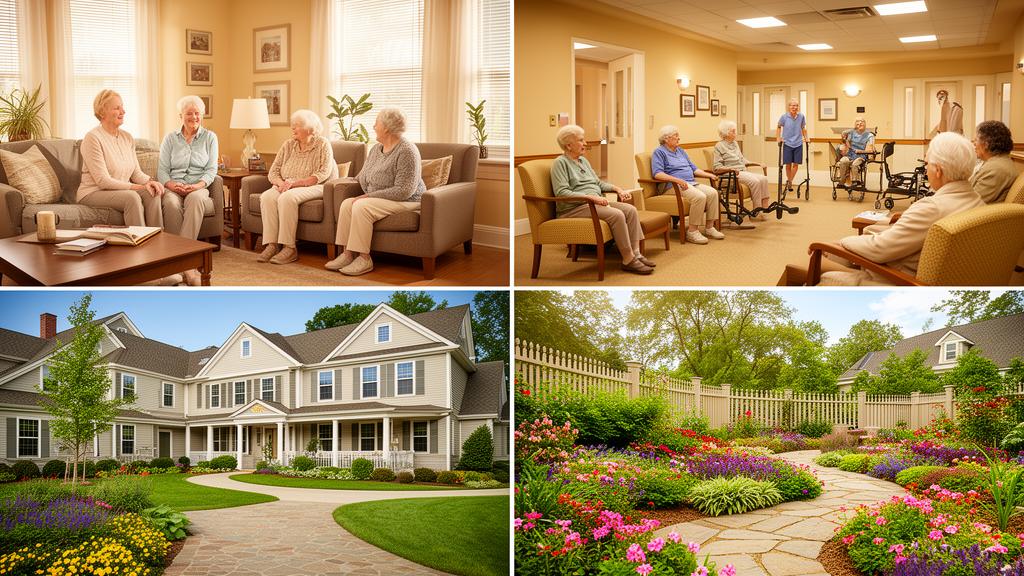
Care delivered in a residential or institutional setting. Facility-based care provides built-in socialization, structured activities, and 24/7 staffing — but requires leaving home and adapting to shared living.
Adult Day Program
Structured daytime programming with social activities, meals, health monitoring, and sometimes therapy. Provides respite for family caregivers.
Adult Foster Care — Small Home
Licensed residential home with up to 6 residents. Provides meals, personal care, medication management, and 24/7 supervision in a home-like setting.
Adult Foster Care — Large Group Home
Licensed group home for 7–20+ residents. Similar services to small AFC homes but in a larger setting with more structured programming.
Assisted Living (HFA)
Licensed Home for the Aged providing private apartments with meals, personal care, activities, and some medical oversight. Michigan calls these HFA-licensed facilities.
Memory Care Facility
Secured environment specifically designed for residents with Alzheimer's or other dementias. Features locked exits, specialized programming, and trained dementia staff.
Skilled Nursing Facility (SNF)
Highest level of non-hospital medical care with 24/7 nursing, rehabilitation services, and complex medical management. Some stays are short-term rehab.
Independent Living Community
Age-restricted apartment communities with shared amenities, social activities, and optional services. No personal care included — residents must be mostly independent.
CCRC (Continuing Care Retirement Community)
Campus offering independent living, assisted living, and skilled nursing on one site. Residents move between levels as needs change — with a large upfront buy-in.
Michigan Senior Care Costs at a Glance
Monthly cost estimates below reflect full-time care where applicable, with home-care rates calculated at 40 hours per week. Southeast Michigan private-pay rates typically run $27–$37 per hour for non-medical home care and $4,000–$8,000 per month for assisted living or memory care.
| Care Type | Typical Cost | Setting | Staff Ratio |
|---|---|---|---|
| Companion Home Care★ | $29–$32/hr | Home | 1:1 |
| Personal / Specialized Home Care★ | $29–$37/hr (personal) · $35–$42/hr (specialized) | Home | 1:1 |
| Live-In Home Care★ | $400–$500/day | Home | 1:1 |
| Home Health Care (Medicare Skilled) | Covered by Medicare (limited hours) | Home | 1:1 during visits |
| Hospice Care (Home-Based) | Covered by Medicare | Home | Intermittent visits |
| PACE Program | Covered for dual-eligible seniors | Home | Varies by service |
| Adult Day Program | $75–$150/day | Facility | 1:6 to 1:8 |
| Adult Foster Care — Small Home | $2,300–$6,000/mo | Facility | 1:3 to 1:6 |
| Adult Foster Care — Large Group Home | $3,500–$15,000/mo | Facility | 1:4 to 1:8 |
| Assisted Living (HFA) | $3,000–$10,000/mo + $2,000–$7,500 move-in | Facility | 1:8 to 1:15 |
| Memory Care Facility | $5,500–$14,000/mo | Facility | 1:5 to 1:8 |
| Skilled Nursing Facility (SNF) | $10,000–$20,000/mo (private room) | Facility | 1:5 to 1:10 |
| Independent Living Community | $1,500–$5,000/mo | Facility | No care staff |
| CCRC (Continuing Care Retirement Community) | $100,000–$500,000+ entry + $3,000–$8,000/mo | Facility | Varies by level |
★ = Services we provide. All costs are Southeast Michigan estimates as of 2025–2026.

FAQ
Common Questions
About senior care options in Michigan
Not Sure Where to Start?
We've been helping Michigan families navigate senior care since 1989. Call us for an honest conversation about your options — even if home care isn't the right fit, we'll point you in the right direction.