
Winter Safety for Seniors: Protecting Your Loved One
Michigan winters bring unique challenges for older adults. From icy walkways to the risk of hypothermia, cold weather requires extra precautions. Learn how professional home care keeps seniors safe and comfortable all winter long.
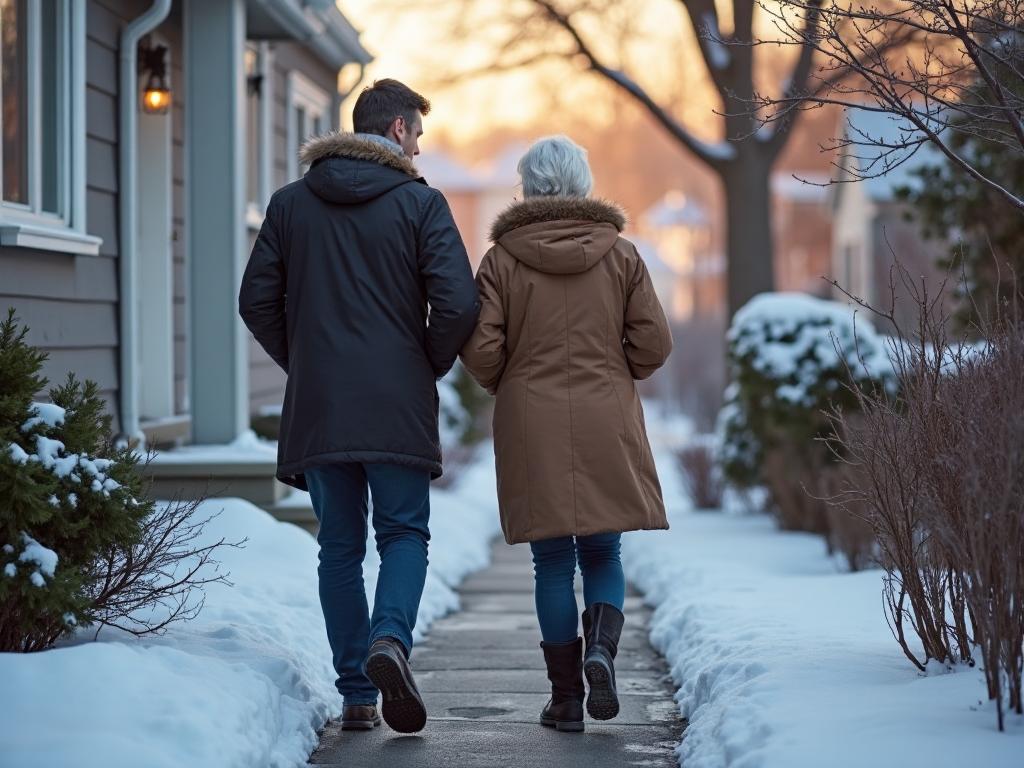
Why Winter Is Especially Dangerous for Seniors
Aging affects the body's ability to cope with cold weather in several ways, making older adults more vulnerable to winter-related health emergencies.
Seniors hospitalized annually from fall injuries on ice
Source: CDCOf hypothermia deaths occur in people over 65
Source: NIAHigher risk of heart attack shoveling snow for seniors
Source: AHAIncrease in senior isolation during winter months
Source: AARPSurviving Michigan Winters When You're Over 75
Michigan averages 80 inches of snow annually in many parts of the state, and Southeast Michigan's proximity to the Great Lakes creates unpredictable lake-effect snow bands that can drop 6 inches in two hours with little warning. For a senior living alone in a raised ranch in Waterford or a colonial in Rochester Hills, a sudden snowfall doesn't just mean a pretty view—it means a blocked driveway, a buried mailbox, and an icy front porch that stands between them and the outside world for days.
The financial pressure of winter heating compounds the health risks. THAW (The Heat and Warmth Fund), Michigan's largest heating assistance program, reports that thousands of Oakland County seniors face utility shutoff notices each winter. Some seniors quietly lower their thermostats to 60°F or below to manage bills—well below the 68°F minimum that the National Institute on Aging recommends for older adults. At those temperatures, hypothermia doesn't announce itself dramatically. It creeps in: increasing confusion, slower movements, deeper sleep that family members mistake for normal winter drowsiness.
A caregiver visiting three times per week during Michigan winters creates a reliable safety checkpoint. They notice if the house feels too cold, if the driveway hasn't been cleared, if food supplies are running low because the senior couldn't get to Kroger. They provide the consistent human presence that phone calls from out-of-state children simply cannot replicate—especially during the January and February weeks when Michigan's gray skies and sub-zero windchills make the world feel very small.
Warning Signs to Watch For
Recognizing early warning signs can prevent serious winter-related health emergencies. Here's what families and caregivers should monitor.
Hypothermia Warning Signs
- •Shivering (may stop in severe cases)
- •Slurred speech or confusion
- •Drowsiness or low energy
- •Cold, pale skin
- •Slow breathing or heart rate
Fall Risk Indicators
- •Difficulty with balance when walking
- •Fear of going outside
- •Previous fall history
- •Vision problems
- •Medication side effects
Isolation & Depression Signs
- •Withdrawal from activities
- •Changes in appetite or sleep
- •Lack of interest in self-care
- •Increased anxiety about weather
- •Canceling appointments
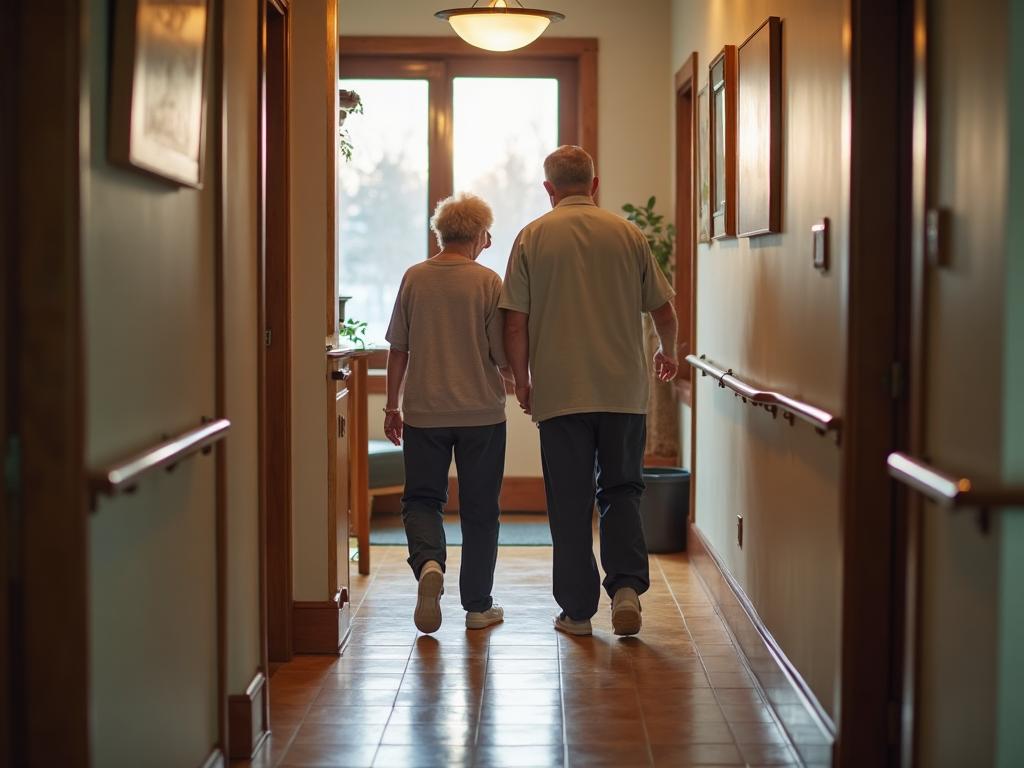
How Professional Home Care Keeps Seniors Safe in Winter
When temperatures drop and conditions become hazardous, having a trained caregiver makes all the difference. Our caregivers are specifically trained to address winter safety challenges and provide peace of mind for families.
From ensuring safe mobility outdoors to monitoring home temperatures and providing daily companionship, professional caregivers act as an extra layer of protection during Michigan's harshest months.
Safe Transportation & Mobility
Caregivers provide arm support when walking on slippery surfaces, ensure proper footwear, and can transport seniors to appointments safely during inclement weather.
Home Safety Monitoring
We check that heating systems work properly, ensure smoke and CO detectors function, remove tripping hazards, and keep pathways clear of clutter.
Temperature & Health Monitoring
Caregivers ensure the home stays warm enough, help seniors dress in appropriate layers, and watch for early signs of hypothermia or illness.
Companionship & Social Connection
Regular caregiver visits combat winter isolation, providing meaningful conversation and activities that support mental health during long, cold months.
Nutrition & Hydration Support
We prepare warm, nutritious meals, ensure adequate fluid intake (seniors often don't feel thirsty in cold weather), and monitor for dehydration signs.
Medication Management
Cold weather can affect how medications work. Caregivers help maintain medication schedules and watch for any concerning side effects.
Practical Winter Safety Tips for Families
Frequently Asked Questions
Common questions about winter safety for seniors and how home care can help.
What are the biggest winter safety risks for seniors?
+
The biggest winter risks for seniors include slip-and-fall accidents on ice, hypothermia from cold exposure, carbon monoxide poisoning from heating systems, social isolation, and medication complications in cold weather. Seniors are especially vulnerable because aging affects balance, circulation, and the body's ability to regulate temperature.
How can a home caregiver help keep seniors safe in winter?
+
Home caregivers help with safe outdoor transportation, ensure walkways are clear of ice, monitor home heating, provide companionship to prevent isolation, assist with winter-appropriate dressing, ensure proper hydration and nutrition, and can recognize early signs of hypothermia or illness.
What temperature is too cold for elderly people?
+
For seniors, indoor temperatures should stay at or above 68°F (20°C). Outdoor temperatures below 32°F (0°C) can be dangerous, especially with wind chill. Seniors with circulation problems or certain medications may be at risk even at moderately cold temperatures.
How do I prevent my elderly parent from falling on ice?
+
Prevent falls by keeping walkways clear and salted, ensuring your parent wears proper footwear with non-slip soles, using mobility aids when needed, providing arm support when walking outdoors, and considering professional home care for safe transportation during winter months.
Does Medicare cover home care during winter months?
+
Medicare may cover some home health services if prescribed by a doctor, but typically does not cover non-medical home care like companionship or help with daily activities. However, many families find that private home care is an affordable investment in their loved one's safety year-round.
Related Home Care Services
FAQ
Common Questions
Are You in One of These Situations?
We have specific guidance for families going through these common scenarios.
Keep Your Loved One Safe This Winter
Don't wait for an emergency. Our experienced caregivers are ready to provide the winter safety support your family needs. Schedule a free consultation today.