
Summer Hydration & Heat Safety: Keeping Seniors Safe
Michigan summers can bring dangerous heat waves. Seniors are especially vulnerable to heat-related illness due to aging-related changes in temperature regulation. Learn how to keep your loved one safe and hydrated all summer.
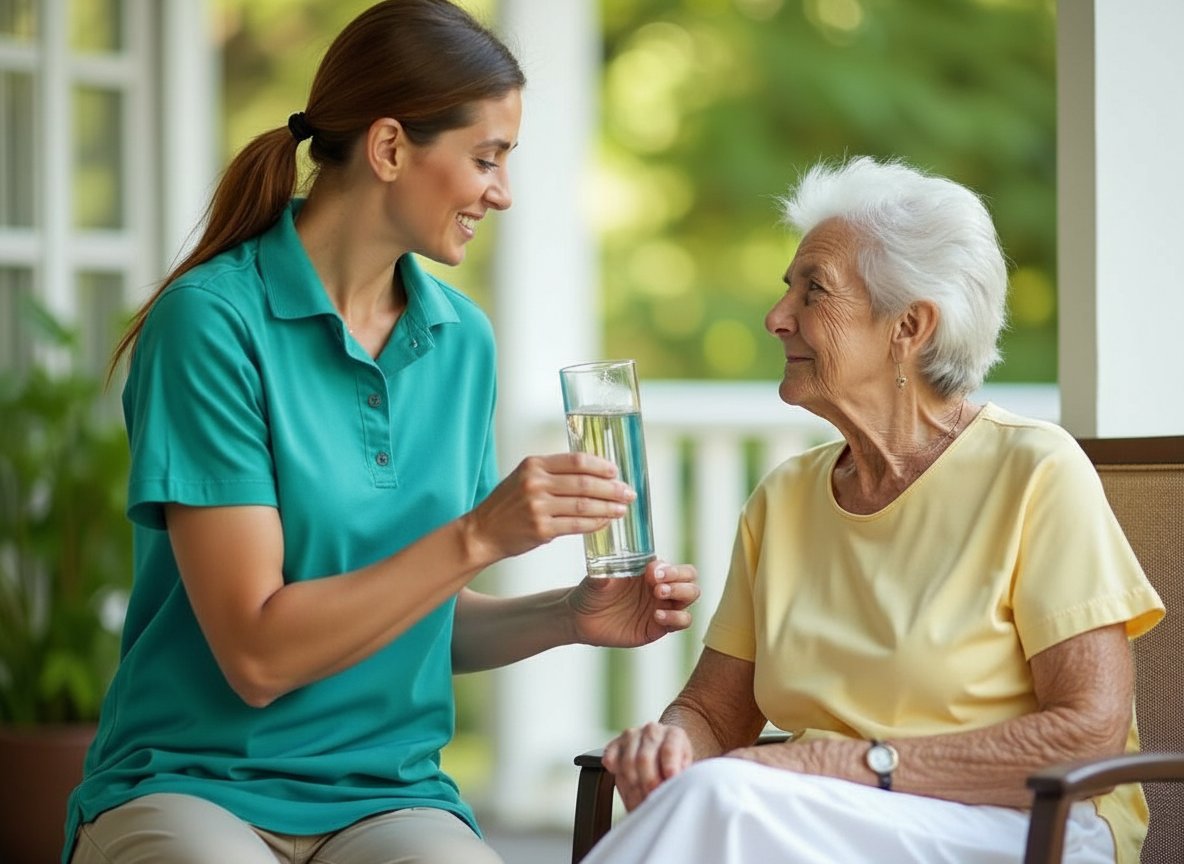
Why Seniors Are at Higher Heat Risk
Aging affects the body's ability to cope with heat in several critical ways.
Of heat-related deaths occur in people 60+
Source: CDCOf seniors are chronically dehydrated
Source: UCLAReduction in thirst sensation with aging
Source: NIHLess efficient sweat response in elderly
Source: NIAWhy Michigan Summers Are Deceptively Dangerous for Seniors
People think of Michigan as a cold-weather state, but the Great Lakes region's summers can be brutally humid. Detroit metro regularly experiences heat index values above 100°F during July and August, and the proximity to the Great Lakes means the humidity lingers long after sunset. For a senior in a Farmington Hills ranch home without central air conditioning—more common than people realize in homes built before the 1970s—nighttime temperatures inside can stay above 85°F, preventing the body from cooling down during sleep.
Oakland County operates several cooling centers during heat emergencies, typically at libraries and community centers in Pontiac, Southfield, and Waterford. But reaching these centers requires transportation that many seniors don't have, and pride often prevents older adults from admitting they need help. The Michigan Department of Health and Human Services reported that 73% of heat-related senior deaths in the state occurred in the person's own home—not outdoors—because they either didn't have adequate cooling or didn't recognize their own symptoms.
A caregiver during Michigan's summer months serves as both a hydration coach and an early warning system. They notice when a client's skin feels unusually warm, when urine output drops, or when confusion sets in that wasn't there yesterday morning. These subtle observations—impossible for someone checking in by phone from out of state—can mean the difference between a glass of cool water and an ambulance ride to Beaumont's emergency department.
Warning Signs to Watch For
Know the difference between heat exhaustion and heat stroke—heat stroke is a medical emergency.
Heat Exhaustion Signs
- •Heavy sweating
- •Weakness or fatigue
- •Cool, pale, clammy skin
- •Nausea or vomiting
- •Muscle cramps
Heat Stroke Emergency
- •Body temp above 103°F
- •Hot, red, dry skin
- •Rapid, strong pulse
- •Confusion or unconsciousness
- •Throbbing headache
Dehydration Signs
- •Dark yellow urine
- •Dry mouth and lips
- •Dizziness when standing
- •Headache
- •Decreased urination
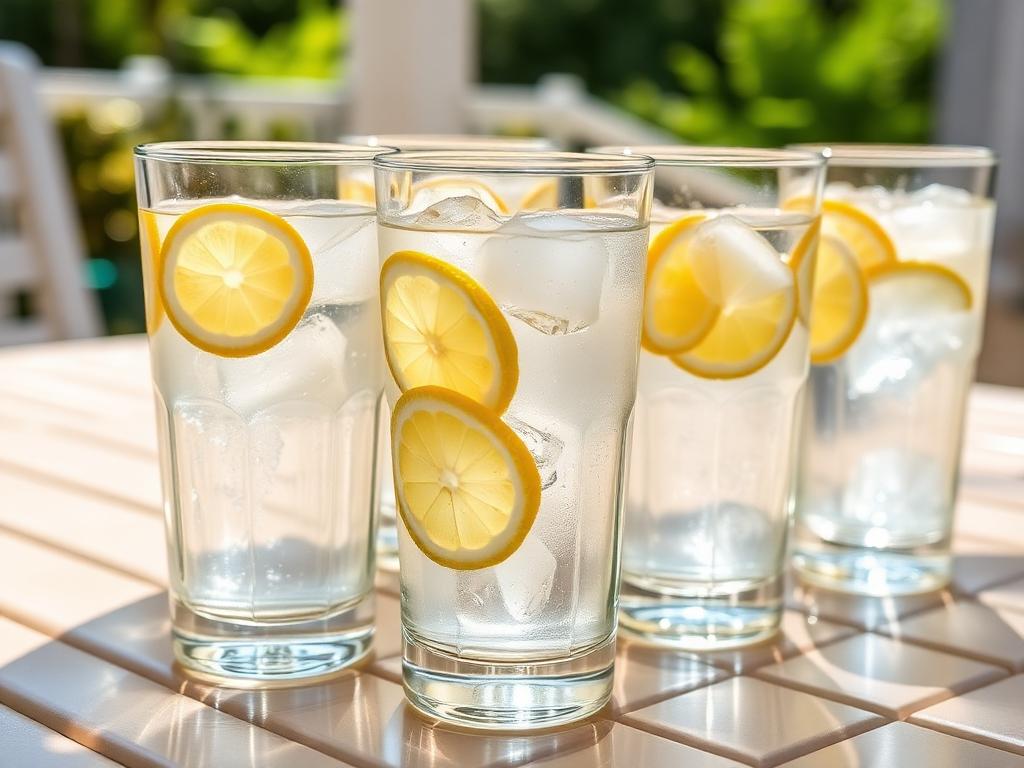
How Home Care Keeps Seniors Cool
Professional caregivers provide consistent monitoring and support during dangerous heat.
From ensuring regular fluid intake to monitoring for early signs of heat-related illness, our caregivers keep seniors safe and comfortable all summer long.
Hydration Monitoring
Caregivers ensure regular fluid intake throughout the day, tracking consumption and encouraging drinking.
Temperature Management
We ensure homes stay cool, air conditioning works, and seniors aren't exposed to dangerous heat.
Activity Scheduling
Outings and activities are planned for cooler parts of the day to avoid peak heat hours.
Cool Meal Preparation
Light, refreshing meals with hydrating foods help seniors stay cool and nourished.
Health Monitoring
Trained caregivers recognize early signs of heat-related illness and respond appropriately.
Sun Protection
When outside, caregivers ensure sunscreen, hats, and protective clothing are used.
Summer Safety Tips for Seniors
Frequently Asked Questions
Why are seniors more vulnerable to heat?
+
Aging reduces the body's ability to regulate temperature, sweating becomes less effective, thirst sensation decreases, and many medications affect heat tolerance. Chronic conditions like heart disease also make heat more dangerous for seniors.
How much water should seniors drink in summer?
+
Seniors should drink at least 8 glasses of water daily, more in hot weather or when active. Don't wait to feel thirsty—by then, dehydration has already begun. Water-rich foods like watermelon and cucumbers also help.
What are signs of heat stroke in elderly?
+
Heat stroke symptoms include high body temperature (103°F+), hot dry skin with no sweating, rapid pulse, throbbing headache, dizziness, nausea, confusion, and unconsciousness. This is a medical emergency—call 911 immediately.
How can caregivers help seniors stay cool?
+
Caregivers ensure adequate air conditioning, encourage regular fluid intake, prepare cool meals, limit outdoor activity during peak heat, dress seniors in light clothing, and monitor for signs of heat-related illness.
What medications increase heat sensitivity?
+
Blood pressure medications, diuretics, antihistamines, beta-blockers, antipsychotics, and some antidepressants can increase heat sensitivity. Seniors on these medications need extra precautions in hot weather.
Keep Your Loved One Safe This Summer
Professional caregivers provide the monitoring and support seniors need to stay safe during Michigan's hottest months. Schedule a free consultation today.
FAQ
Common Questions
Are You in One of These Situations?
We have specific guidance for families going through these common scenarios.