
Senior Nutrition & Wellness: Eating Well at Any Age
Proper nutrition is the foundation of healthy aging. March is National Nutrition Month—a reminder that good food supports everything from energy to immune function. Learn how home care helps seniors eat well every day.

Why Senior Nutrition Matters
Malnutrition is common among older adults but often goes unrecognized. Good nutrition can prevent illness, speed recovery, and improve quality of life.
Seniors are at risk for malnutrition
Source: AARPOf adults 65+ don't meet protein needs
Source: NIAOf seniors are chronically dehydrated
Source: UCLAHigher hospital readmission for malnourished seniors
Source: ASPENThe Nutrition Challenge Facing Metro Detroit Seniors
Southeast Michigan presents a paradox for senior nutrition: world-class healthcare systems like Beaumont and Henry Ford Health emphasize dietary counseling, yet many of the region's seniors live in areas where accessing fresh, nutritious food is genuinely difficult. The Southeastern Michigan Council of Governments (SEMCOG) has identified multiple "food deserts" in the metro Detroit area where the nearest full-service grocery store is more than a mile away—an insurmountable distance for a senior who no longer drives.
Organizations like Focus:HOPE in Detroit have served meals to homebound seniors for decades, and Michigan's Commodity Supplemental Food Program provides monthly food packages to qualifying older adults. Oakland County's Meals on Wheels program delivers hot lunches to thousands of seniors each week. But these programs typically provide one meal per day—leaving breakfast, dinner, snacks, and hydration entirely up to the individual. For a senior with arthritis who struggles to open cans, or someone with early dementia who forgets to eat entirely, that gap can lead to dangerous malnutrition.
Michigan's rich agricultural heritage—from the apple orchards of northern Oakland County to the farm stands along Rochester Road—means that fresh, seasonal produce is abundantly available for those who can access it. A caregiver who shops at the Royal Oak Farmers Market or Westborn Market and prepares meals using fresh Michigan produce isn't just feeding a senior—they're connecting them to the land and flavors they've known their entire lives.
Warning Signs to Watch For
Recognizing nutrition problems early can prevent serious health consequences.
Malnutrition Warning Signs
- •Unintended weight loss
- •Fatigue and weakness
- •Slow wound healing
- •Frequent illness
- •Confusion or irritability
Dehydration Indicators
- •Dark yellow urine
- •Dizziness or confusion
- •Dry mouth and lips
- •Headaches
- •Decreased urination
Eating Difficulty Signs
- •Leaving food uneaten
- •Avoiding certain foods
- •Difficulty swallowing
- •Weight fluctuations
- •Loss of interest in meals
How Professional Home Care Supports Nutrition
Our caregivers make healthy eating easier and more enjoyable for seniors.
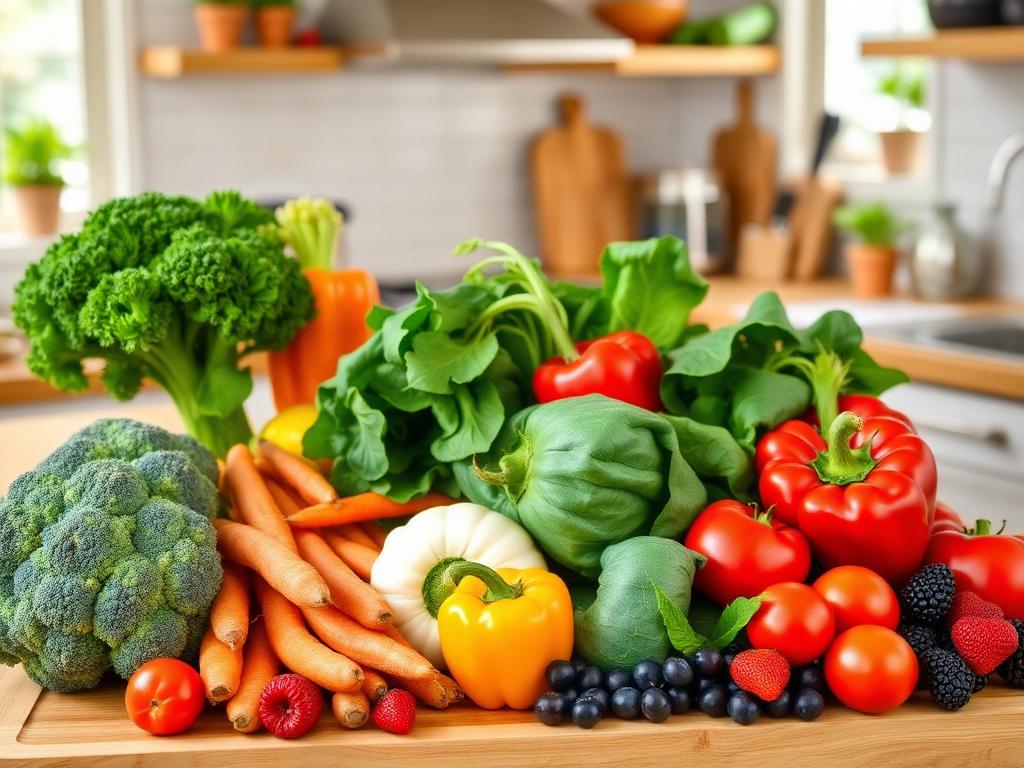
From grocery shopping to meal preparation and feeding assistance, professional caregivers ensure your loved one maintains proper nutrition for optimal health and energy.
Grocery Shopping Assistance
Caregivers help plan nutritious shopping lists and assist with grocery shopping to ensure healthy foods are always available.
Meal Preparation
We prepare appetizing, balanced meals tailored to dietary needs, health conditions, and personal preferences.
Hydration Monitoring
Regular reminders and assistance with fluid intake help prevent dehydration, especially important for seniors who may not feel thirsty.
Weight Monitoring
Caregivers track weight changes and food intake to catch potential nutrition problems early.
Mealtime Companionship
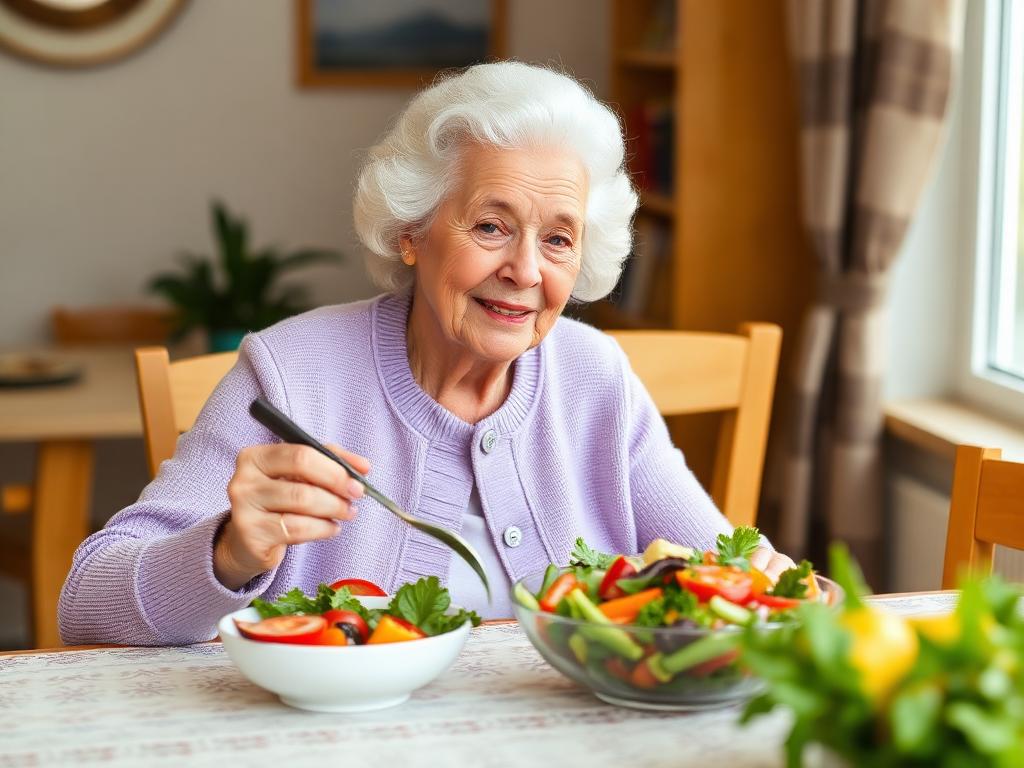
Sharing meals makes eating more enjoyable and encourages seniors to eat well, combating isolation-related appetite loss.
Dietary Compliance
We help seniors follow special diets for diabetes, heart disease, kidney conditions, or other health needs.
Nutrition Tips for Seniors & Families
Frequently Asked Questions
Why do seniors often struggle with proper nutrition?
+
Seniors face unique nutrition challenges including decreased appetite, changes in taste and smell, difficulty shopping or cooking, medication side effects, dental problems, chronic conditions, and social isolation that reduces mealtime enjoyment.
How can a home caregiver help with senior nutrition?
+
Caregivers help by planning balanced meals, grocery shopping, preparing nutritious foods, ensuring adequate hydration, assisting with eating if needed, monitoring weight changes, and making mealtimes enjoyable social occasions.
How much water should seniors drink daily?
+
Seniors should drink at least 6-8 glasses of water daily. However, thirst sensation decreases with age, so caregivers often need to encourage regular fluid intake throughout the day, even when seniors don't feel thirsty.
What are signs of malnutrition in elderly people?
+
Signs include unintended weight loss, fatigue and weakness, slow wound healing, frequent infections, confusion or memory problems, dry skin and hair loss, and ill-fitting clothes or dentures.
What foods should seniors eat more of?
+
Seniors should focus on protein-rich foods, colorful fruits and vegetables, whole grains, low-fat dairy for calcium, foods high in fiber, and healthy fats from sources like olive oil and nuts.
Help Your Loved One Eat Well Every Day
Good nutrition shouldn't be a struggle. Our caregivers provide the meal support seniors need to stay healthy and energized. Schedule a free consultation today.
FAQ
Common Questions
Are You in One of These Situations?
We have specific guidance for families going through these common scenarios.