
Lung Health Awareness: Breathing Easier at Home
October is Healthy Lung Month. Respiratory conditions like COPD affect millions of seniors, but with proper support, many can maintain quality of life at home. Learn how home care helps seniors breathe easier.
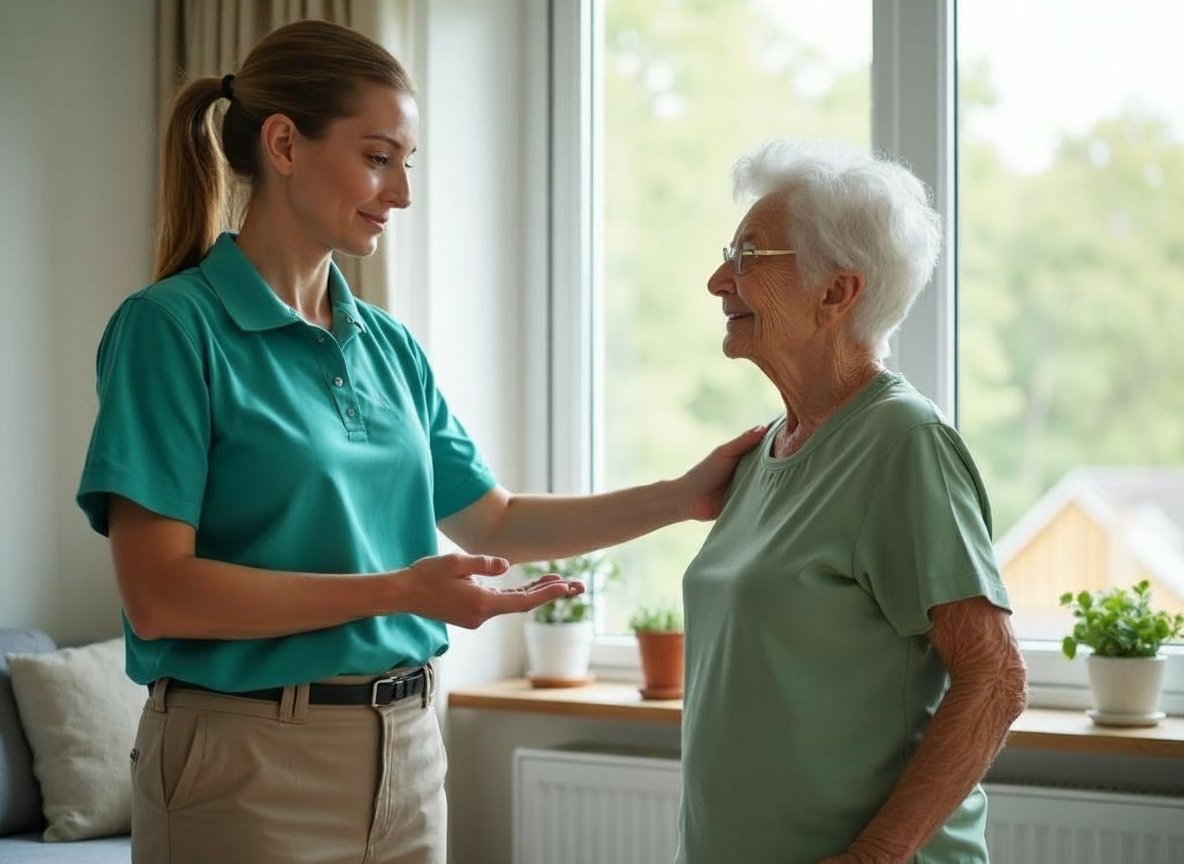
Understanding Respiratory Health in Seniors
Lung health naturally declines with age, but lifestyle and proper care make a significant difference.
Americans have been diagnosed with COPD
Source: ALALeading cause of death in the US is lung disease
Source: CDCOf COPD patients are over age 65
Source: NIHLung function loss before symptoms appear
Source: ALARespiratory Health Challenges Unique to Michigan
Michigan's industrial heritage has left a lasting mark on the respiratory health of its aging population. Many seniors now living in Oakland and Macomb Counties spent decades working in or near auto manufacturing plants, foundries, and chemical facilities where exposure to particulates, solvents, and metal dusts was routine. The Michigan Department of Health and Human Services reports that COPD hospitalization rates in the I-75 corridor counties exceed the national average by 18%—a legacy of occupational exposure that manifests decades later.
Climate plays a role too. Michigan's humid summers and dry, cold winters create a year-round challenge for seniors with compromised lungs. Summer ozone alerts in the Detroit metro area—which regularly exceed EPA thresholds on hot, stagnant days—can trigger COPD flare-ups that send seniors to Beaumont or Henry Ford emergency departments. In winter, the shock of stepping from a heated home into sub-zero air can cause bronchospasm severe enough to mimic a heart attack.
Henry Ford Health's Pulmonary Rehabilitation Program and Beaumont's Respiratory Care Center both offer excellent clinical support—but the critical gap is what happens between clinic visits. A caregiver who ensures inhalers are used with proper technique, monitors oxygen saturation, keeps the home free of dust and irritants, and recognizes a COPD exacerbation 12 hours before it becomes an emergency can prevent hospitalizations that cost $15,000 or more per stay.
Warning Signs to Watch For
Knowing when breathing problems are serious can be life-saving.
Breathing Emergency Signs
- •Severe shortness of breath
- •Blue lips or fingernails
- •Confusion or disorientation
- •Chest pain
- •Unable to speak in full sentences
COPD Flare-Up Signs
- •Increased mucus production
- •Change in mucus color
- •Worsening cough
- •Increased breathlessness
- •Swelling in ankles/feet
Infection Warning Signs
- •Fever or chills
- •Rapid breathing
- •New or worsening cough
- •Chest congestion
- •Unusual fatigue
How Home Care Supports Respiratory Health
From medication management to breathing exercises, caregivers help seniors manage lung conditions.
Our caregivers are trained to recognize respiratory distress, assist with breathing treatments, and maintain clean home environments that support lung health.
Breathing Monitoring
Caregivers observe breathing patterns, watch for changes, and ensure early intervention when needed.
Medication & Inhaler Management
Help with proper inhaler technique, medication timing, and tracking usage for doctor visits.
Exercise & Activity Support
Encourage and assist with pulmonary rehabilitation exercises and activity pacing for energy conservation.
Home Environment Care
Keep homes clean of dust, allergens, and irritants that can worsen respiratory conditions.
Oxygen Equipment Assistance
Help ensure oxygen equipment is properly used, maintained, and portable oxygen is ready for outings.
Emotional & Social Support
Living with breathing conditions can be isolating—companionship improves mental health and motivation.
Tips for Better Lung Health
Frequently Asked Questions
What respiratory conditions commonly affect seniors?
+
Common conditions include COPD (chronic bronchitis and emphysema), asthma, pneumonia, pulmonary fibrosis, and lung cancer. Seniors are also more vulnerable to respiratory infections like flu and COVID-19.
How can caregivers help seniors with COPD?
+
Caregivers help by ensuring proper inhaler use, monitoring breathing, managing oxygen equipment, encouraging prescribed exercises, keeping the home clean of irritants, recognizing warning signs, and providing emotional support.
What are signs of breathing problems in elderly?
+
Warning signs include persistent cough, increased mucus production, wheezing, shortness of breath with normal activities, chest tightness, frequent respiratory infections, blue lips or fingernails, and confusion from low oxygen.
How can seniors improve their lung health?
+
Quit smoking (even late in life helps), stay active with breathing exercises, get vaccinated for flu and pneumonia, avoid air pollutants, maintain a healthy weight, and follow COPD treatment plans carefully.
Does home care include help with oxygen therapy?
+
Yes, caregivers can help ensure oxygen equipment is set up correctly, monitor usage, assist with portable oxygen for outings, remind of refill needs, and watch for complications. Medical equipment management is part of comprehensive home care.
Help Your Loved One Breathe Easier
Our caregivers provide the daily support seniors need to manage respiratory conditions and maintain quality of life at home. Schedule a free consultation.
FAQ
Common Questions
Are You in One of These Situations?
We have specific guidance for families going through these common scenarios.