
Older Americans Month: Celebrating Independence
Every May, we celebrate Older Americans Month—honoring the contributions of older adults and affirming their right to age with independence, dignity, and purpose. Learn how home care supports seniors in living life on their own terms.
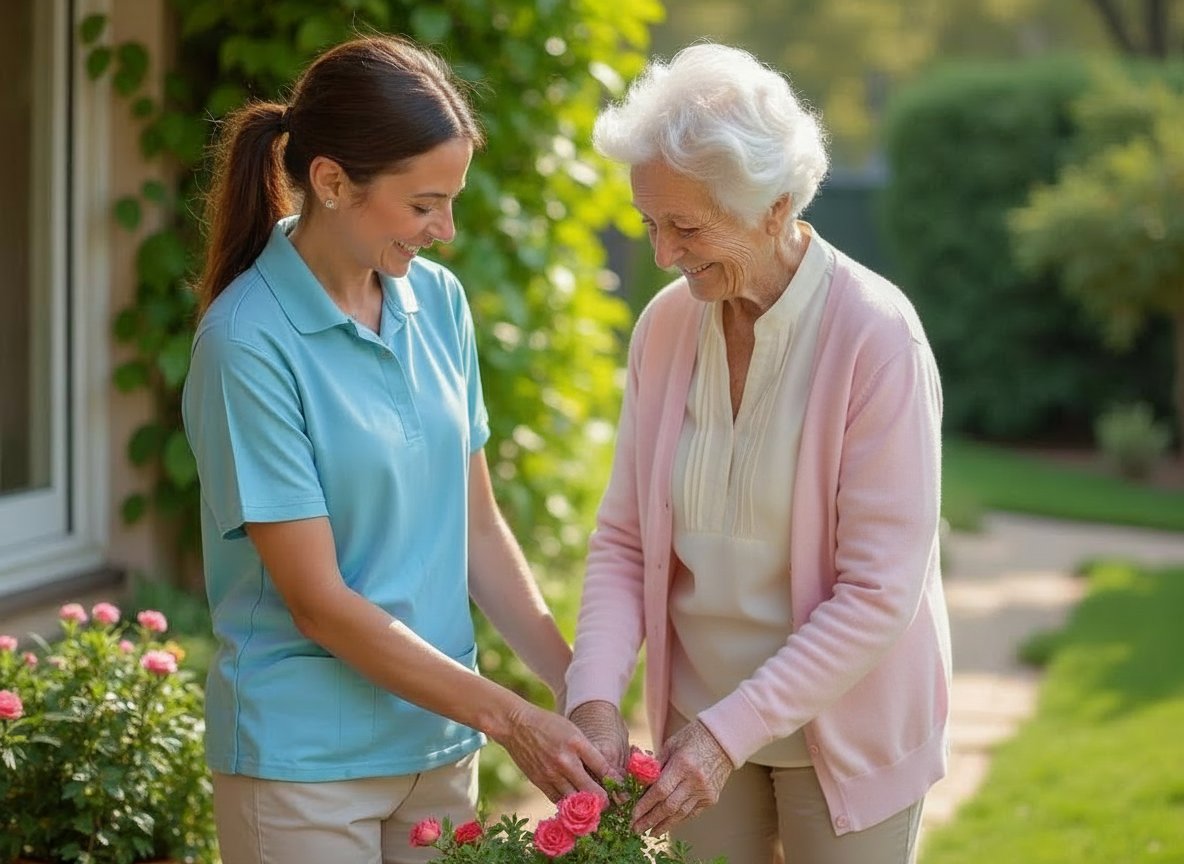
The Growing Importance of Senior Independence
As Americans live longer, supporting independent aging becomes increasingly vital.
Of seniors want to age in their own home
Source: AARPBaby Boomers now 65+ in the United States
Source: CensusOf people 65+ will need long-term care
Source: ACLFaster growth in 85+ population than overall
Source: NIHAging with Purpose in Southeast Michigan
Michigan is home to more than 2.2 million adults over age 60, and Oakland County has one of the fastest-growing senior populations in the state. The Oakland County Senior Millage—approved by voters and renewed consistently since its inception—funds programs that help older adults remain in their communities, from Meals on Wheels delivery to home repair assistance. It's a testament to how much Southeast Michigan values its older residents.
Yet public programs, however valuable, can only go so far. The senior centers in Southfield, Troy, and Farmington Hills offer wonderful social programming, but they can't help with the 6am bathroom transfer or the midnight medication reminder. Michigan's "age in place" movement has gained momentum precisely because families have seen that their parents thrive when they can wake up in their own bedroom, tend their own garden, and choose what to have for lunch—freedoms that disappear in institutional settings.
We believe independence isn't all-or-nothing. A retired engineer in Birmingham who needs help with bathing can still manage his own finances. A former teacher in Clarkston who can no longer drive can still host her book club if someone helps with the refreshments. The goal of home care isn't to take over—it's to fill in the gaps so that your loved one's identity remains intact.

How Home Care Supports Senior Independence
The right support helps seniors maintain their lifestyle, routines, and autonomy.
Our caregivers provide just enough assistance to keep seniors safe while encouraging them to do everything they can independently—preserving dignity and building confidence.
Aging in Place Support
Stay in the home you love with personalized assistance that adapts to your changing needs over time.
Encouraging Self-Sufficiency
Our caregivers help with tasks that are difficult while encouraging seniors to do what they can—preserving abilities.
Community Connection
Transportation to community events, religious services, and social gatherings keeps seniors engaged.
Dignified Assistance
Personal care provided with respect and sensitivity, honoring each individual's preferences and privacy.
Flexible Scheduling
From a few hours weekly to 24/7 care, services scale with needs without requiring a move.
Family Peace of Mind
Families rest easier knowing their loved one is safe and supported while maintaining independence.
Keys to Healthy, Independent Aging

Frequently Asked Questions
What is Older Americans Month?
+
Older Americans Month is observed every May since 1963, led by the Administration for Community Living. It celebrates the contributions of older adults and highlights the importance of supporting their health, independence, and community engagement.
How can seniors maintain independence as they age?
+
Seniors can maintain independence through home modifications, assistive devices, staying physically and socially active, healthy eating, regular medical care, and getting help with tasks that have become difficult while still making their own choices.
Is home care better than assisted living for independence?
+
For many seniors, home care preserves more independence than assisted living because they stay in their own environment, maintain control over their schedule and routines, and receive personalized one-on-one attention rather than shared care.
What activities help seniors stay independent?
+
Activities that promote independence include regular exercise, engaging hobbies, social connections, continued learning, home maintenance participation, gardening, cooking, and maintaining routines that provide purpose and structure.
How does home care support aging in place?
+
Home care supports aging in place by providing just enough help with challenging tasks—like bathing, meals, or transportation—while encouraging seniors to do everything they can safely do themselves, preserving their capabilities and confidence.
Help Your Loved One Thrive Independently
Home care provides the support seniors need to live safely and happily in the place they call home. Schedule a free consultation to learn more.
FAQ
Common Questions
Are You in One of These Situations?
We have specific guidance for families going through these common scenarios.