
Heart Health for Seniors: Protecting Cardiovascular Wellness
Heart disease is the leading cause of death among adults over 65. February is American Heart Month—the perfect time to focus on cardiovascular health. Learn how professional home care supports your loved one's heart health year-round.
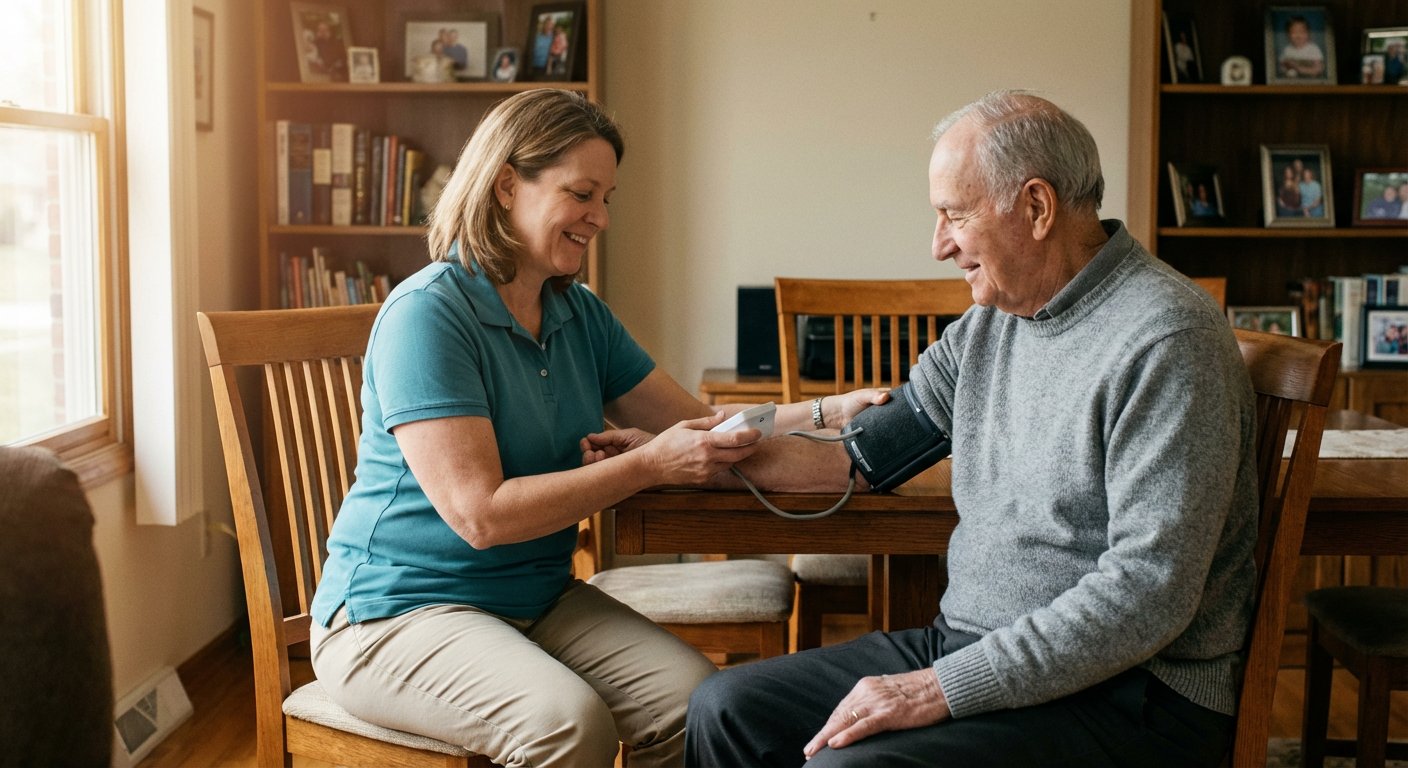
Why Heart Health Matters for Seniors
Cardiovascular disease affects the majority of older adults, but many risk factors are manageable with proper care and lifestyle support.
Of adults over 65 have some form of cardiovascular disease
Source: AHAOf heart attacks occur in people over age 65
Source: CDCOf seniors have hypertension (high blood pressure)
Source: NIHOf heart disease is preventable with lifestyle changes
Source: WHOCardiovascular Care in Southeast Michigan
Southeast Michigan is home to some of the nation's top cardiac care programs— Beaumont Health's Heart & Vascular Center in Royal Oak, Henry Ford's Heart & Vascular Institute in Detroit, and Ascension Providence in Southfield all rank among Michigan's best for cardiovascular intervention. Yet despite this world-class access, heart disease remains the leading killer of Oakland County residents over 65, claiming more than 2,400 lives annually according to the Michigan Department of Health and Human Services.
The gap between hospital excellence and home-level care is where families struggle most. A cardiologist at Beaumont might prescribe a low-sodium Mediterranean diet, daily walks, and precise medication timing—but who ensures those instructions are followed at 7am on a Tuesday in a senior's kitchen in Bloomfield Township? Michigan's Rust Belt dietary traditions—hearty, salt-heavy comfort foods that families have eaten for generations—don't disappear because a doctor says so. Changing lifelong eating habits requires patient, daily support.
That's where a trained home caregiver becomes the bridge between the hospital discharge plan and real life. Our caregivers prepare heart-healthy meals that still feel satisfying, monitor blood pressure at the same time each day, and ensure medications like beta-blockers and blood thinners are taken correctly—not just sometimes, but every single day.
Warning Signs to Watch For
Recognizing cardiac warning signs can be life-saving. Seniors often experience atypical symptoms, so it's crucial to know what to look for.
Heart Attack Warning Signs
- •Chest pain or pressure lasting more than a few minutes
- •Pain radiating to arm, jaw, or back
- •Shortness of breath
- •Cold sweats or nausea
- •Unusual fatigue or weakness
Heart Failure Indicators
- •Swelling in feet, ankles, or legs
- •Rapid weight gain from fluid
- •Persistent cough or wheezing
- •Difficulty breathing when lying down
- •Reduced ability to exercise
Arrhythmia Signs
- •Fluttering sensation in chest
- •Racing or slow heartbeat
- •Dizziness or lightheadedness
- •Fainting or near-fainting
- •Shortness of breath with activity
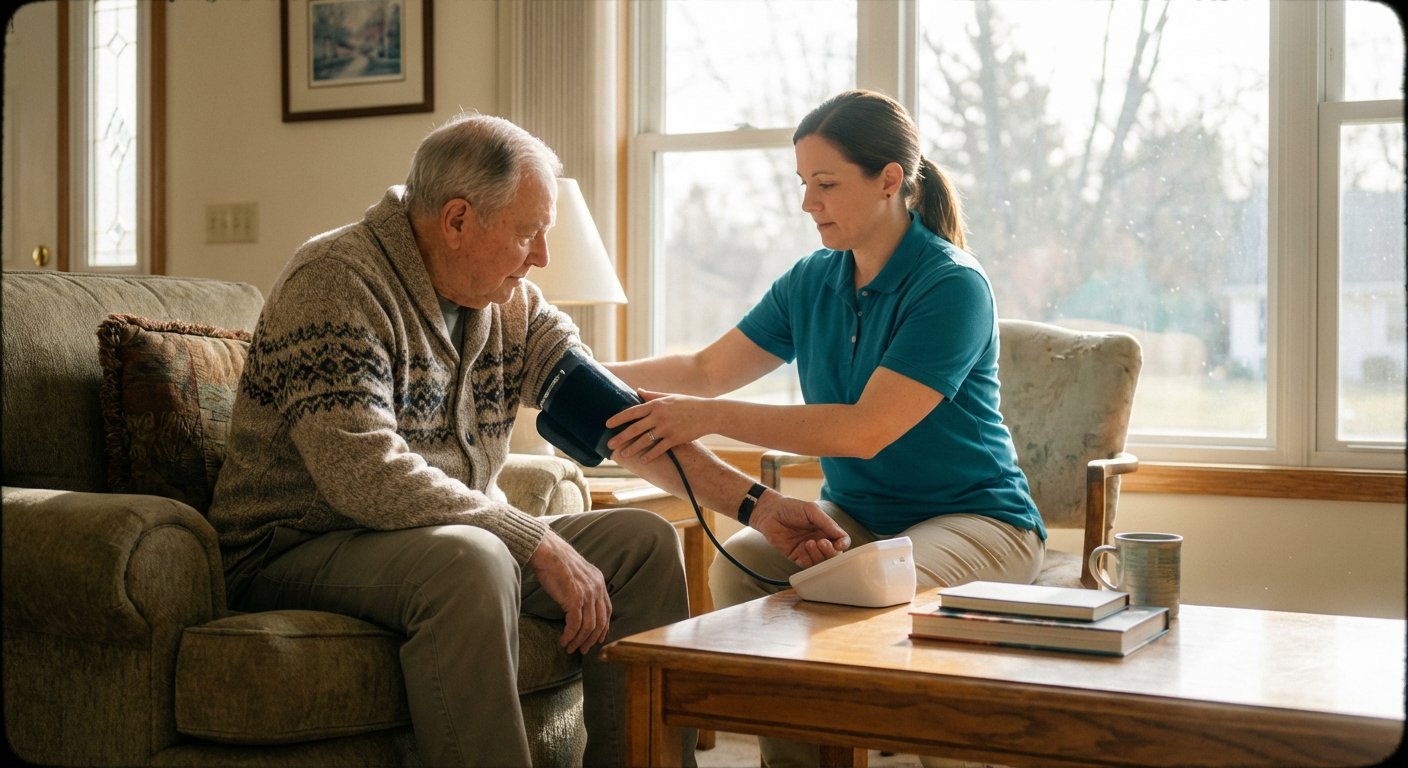
How Professional Home Care Supports Heart Health
Our trained caregivers provide daily support that helps seniors manage heart conditions and reduce cardiovascular risk factors.
From medication reminders to preparing heart-healthy meals and monitoring for warning signs, professional caregivers act as an essential partner in maintaining cardiovascular wellness.
Heart-Healthy Meal Preparation
Caregivers prepare low-sodium, nutrient-rich meals that support cardiovascular health while still being enjoyable and satisfying.
Medication Management
We ensure heart medications are taken correctly and on schedule, watching for side effects and interactions.
Light Exercise Support
Caregivers encourage and assist with doctor-approved physical activities like walking, stretching, and light exercises.
Blood Pressure Monitoring
Regular blood pressure checks help track cardiovascular health and catch concerning changes early.
Stress Reduction & Companionship
Emotional support and companionship reduce stress—a major contributor to heart disease in seniors.
Appointment Coordination
We provide transportation to cardiology appointments and help track follow-up care and test results.
Heart-Healthy Tips for Seniors

Frequently Asked Questions
Common questions about heart health for seniors and how home care can help.
What are the warning signs of heart problems in elderly?
+
Warning signs include chest pain or pressure, shortness of breath, unusual fatigue, swelling in legs or ankles, dizziness, irregular heartbeat, and sudden confusion. Seniors may experience 'silent' heart attacks with atypical symptoms like nausea or jaw pain.
How can a home caregiver help with heart health?
+
Home caregivers help by preparing heart-healthy meals, reminding seniors to take medications, encouraging light physical activity, monitoring blood pressure, providing transportation to cardiology appointments, and recognizing warning signs of cardiac events.
What foods are best for senior heart health?
+
Heart-healthy foods for seniors include leafy greens, whole grains, lean proteins like fish and chicken, fruits and berries, nuts, legumes, and foods low in sodium and saturated fat. Omega-3 rich foods like salmon are particularly beneficial.
How often should elderly people have their blood pressure checked?
+
Seniors should have blood pressure checked at every doctor visit, but those with hypertension or heart conditions should monitor daily at home. Caregivers can help establish consistent monitoring routines and track readings over time.
Can home care help after a heart attack?
+
Yes, home care is essential after a heart attack. Caregivers help with cardiac rehabilitation exercises, medication management, dietary changes, monitoring for complications, and providing emotional support during recovery.
Related Home Care Services
FAQ
Common Questions
Are You in One of These Situations?
We have specific guidance for families going through these common scenarios.
Support Your Loved One's Heart Health
Professional home care provides the daily support seniors need to maintain cardiovascular health. Schedule a free consultation today.